Why AI Search Demands New Metrics, Teams, and Thinking
Jamie Richards, Director at mediasense, explains why brands prioritizing AI search can turn momentum into sustained growth by shaping AI presence, aligning teams, and adopting measurable tools.
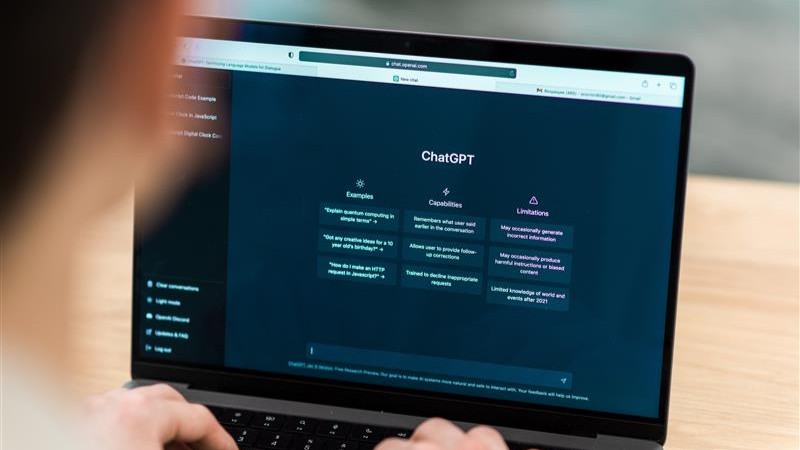
AI search is now a board-level priority, and most brands still lack a clear plan to integrate it. It’s reshaping how consumers discover, trust, and choose brands:
- Over 800 million people use ChatGPT each month1, and 7% of people globally use AI chatbots weekly (rising to 15% among under-25s).
- A quarter of consumers say they prefer AI-generated summaries and recommendations2.
- Traffic from Large Language Models (LLMs), including Google AI Overviews, could overtake traditional organic search by 20273.
OpenAI has begun testing ads in ChatGPT for the free and low‑cost Go tiers in the U.S.4, with ads shown below answers and labelled as sponsored. Paid tiers like Plus, Pro, Business, and Enterprise remain ad‑free. For marketers, this signals that conversational AI will increasingly become a paid and ad‑supported surface, expanding contexts where brands can appear or be referenced.
This shift is expanding the definition of “search” across marketing teams, and forcing advertisers to rethink what they track and how they organize internally. As AI surfaces reshape visibility and decision-making, mediasense is working with marketers to develop the right methodologies, define clearer ownership, and establish unified measurement to stay competitive.
What should marketers be tracking?
Search is becoming contextual, conversational, and deeply human. LLMs interpret prompts the way a store associate or customer service representative might respond to a shopper. Instead of fragmented keyword strings, prompts reflect natural intent: “Which air purifiers help reduce pollen?” “What body washes are best for sensitive skin?”
This matters because the scope of “search” expands beyond media and SEO teams. These questions touch product efficacy, sustainability narratives, value perceptions, and customer support.
To navigate this complexity, marketers should start by understanding the types of prompts consumers use and what they reveal about needs and intent. Linking these prompts to audience personas and consumer priorities, such as trust and value, helps shape messaging and content strategies that resonate across AI-driven environments.
Who should own AI search internally?
One of the most common questions from clients on the topic of AI search is: “Where does AI search sit?” It doesn’t fit neatly into one team – it touches every part of marketing, making integration essential.
Most advertisers still manage search through disconnected teams and short-term metrics. Paid teams chase clicks and conversions, SEO teams focus on keyword rankings, and PR and content teams juggle objectives ranging from engagement to coverage to reputation. AI search sits at the intersection of media, brand, CX, PR, digital, and product teams, which means no single function naturally owns it.
The risk of inaction is significant:
- Siloed efforts and duplicated spend
- Conflicting messages across paid, organic, and AI-generated surfaces
- No accountability for improving visibility or influence
Ownership models must evolve fast. The most effective approach is an integrated team accountable for LLM, paid, earned, and owned performance. Shared KPIs, aligned workflows, and consistent tools create coherence across every moment of consumer intent.
Why this matters for senior leaders
Clients have shared that their boards are open to increasing marketing budgets if improving AI search results is clear and measurable. Board members use these tools themselves and hear about them from peers, so they understand the impact on consumer decisions. This direct experience has shifted the conversation: marketing is seen as a growth engine and a driver of technology adoption.
The opportunity is for marketing teams to be able to articulate:
- How does the brand appear in AI environments?
- How does marketing activity shape that visibility?
- How does governance protect brand integrity?
- How does AI visibility connect to business outcomes?
Most organisations can’t answer these questions because responsibility for search, PR, content, and analytics sits across multiple teams using different processes, tools, and KPIs.
How does AI Search fit into existing paid and organic strategies?
Dominance in SEO and paid search doesn’t protect brands from disruption. AI-led surfaces are taking prime real estate fast:
- Google’s AI Overviews now sit above the fold, pushing paid and organic results down the page.
- Brands compete for visibility in AI results just as they do in SEO, often with conflicting messages.
- Inconsistent claims and tone across paid, organic, and AI responses erode trust and clarity.
This is why we advocate for Integrated Intent: treating paid, organic, and LLM visibility as a single interconnected consumer experience.
- Diagnose – Audit where and how your brand appears across AI, organic, and paid search.
- Design – Build an operating model defining team roles, data flows, and unified KPIs.
- Select – Evaluate and align partners and tools to support that model.
- Track – Monitor visibility and performance continuously as AI platforms evolve.
This approach helps advertisers understand where they stand today, how AI search affects their visibility, and what changes will future-proof performance.
What next
AI search is a strategic challenge that cuts across owned, earned, and paid channels. It requires clear priorities, integrated teams, and a plan built for long-term growth, not short-term reporting.
Brands that act now will lead the next wave: shaping their AI presence across platforms, aligning teams around a unified strategy, and adopting tools that deliver measurable impact. Waiting means falling behind -reactive decisions, fragmented execution, and choices that become hard to reverse.
1 https://www.bondcap.com/report/pdf/Trends_Artificial_Intelligence.pdf
2 https://reutersinstitute.politics.ox.ac.uk/generative-ai-and-news-report-2025-how-people-think-about-ais-role-journalism-and-society
3 https://www.semrush.com/blog/ai-search-seo-traffic-study/
4 https://openai.com/index/our-approach-to-advertising-and-expanding-access/
Get access to the thinking that shapes tomorrow’s marketing
Up next
Taking on the Sahara: Supporting Media Trust Through an Extraordinary Challenge
This April, our Chief Client Officer, Sam Tomlinson, is taking on an extraordinary challenge: running 250km across the Sahara Desert to raise funds for Media Trust.
Jakarta Forum Recap: Turning Influence into Strategic Impact
In Jakarta, mediasense brought together senior marketers, creators, and influencers to move beyond the noise surrounding influencer marketing and examine what truly drives effectiveness.
mediasense Appointed as Crown Commercial Service’s Sole Media and Marketing Auditor
mediasense appointed to work with Crown Commercial Service, supporting the UK Government in future governance and oversight of its media and creative agency framework.