Clarity & Prioritization – 2 Key Unlocks for an Effective Pitch Process
Ryan Kangisser explains how clarity and prioritization in the pitch process help brands reduce delays, avoid over-testing, and run smarter reviews for faster, more effective agency decisions.
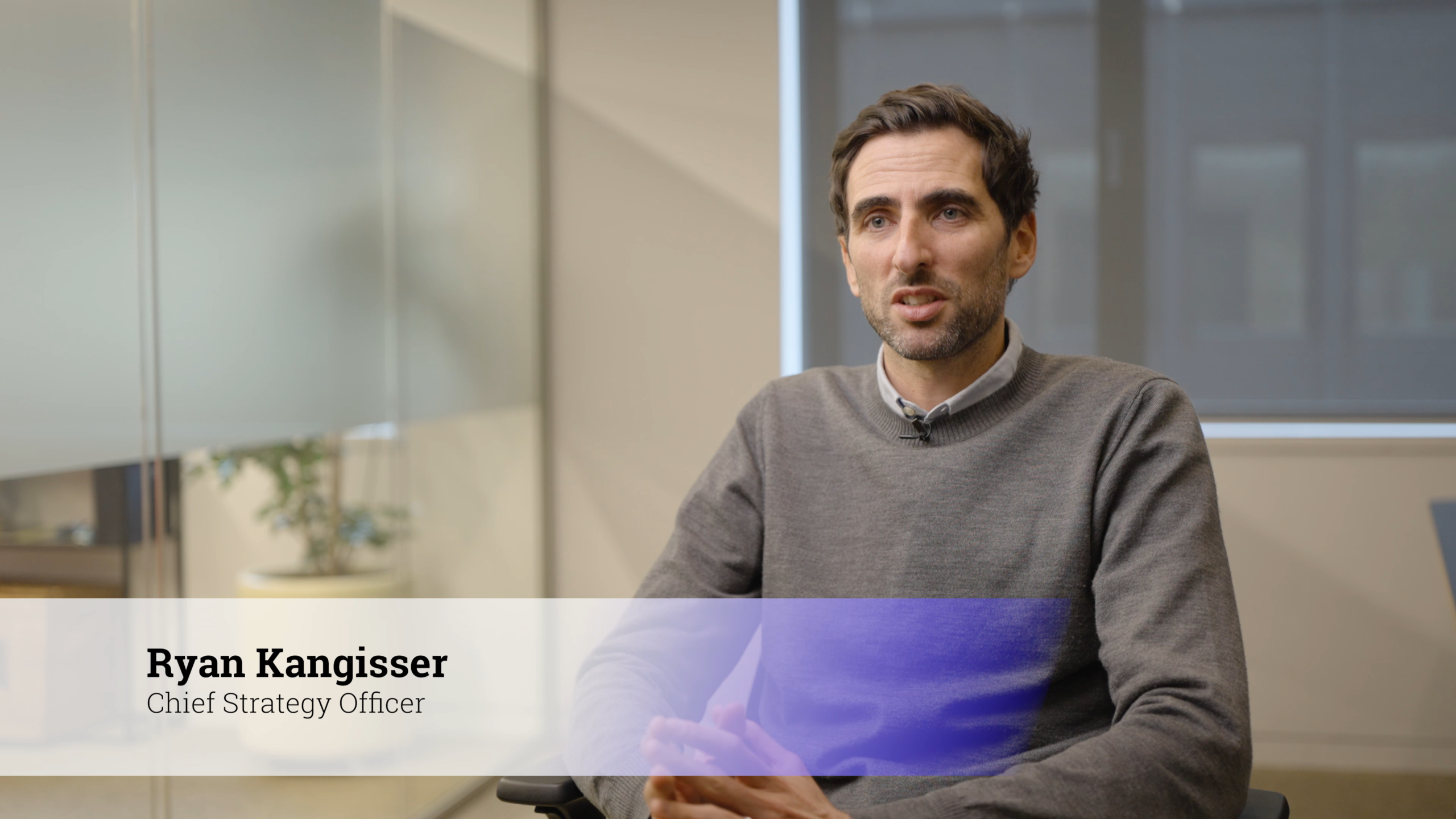
Addressing the biggest source of delay
The root problem is usually not a lack of effort, but lack of clarity. When brands are not aligned on what they need, what kind of relationship they want, or which capabilities genuinely matter, the review becomes longer and less useful. Agencies end up responding to moving targets, while clients spend time testing the wrong things.
That’s why the biggest source of delay is so often on the client side. If the right stakeholders are not involved early, or if they are not aligned on how the decision will be made, the process slows down quickly. Good agencies get pulled through rounds of unnecessary complexity, not because the answer is hard to find, but because the decision-making structure is not working.
The error of testing every capability
A common mistake in pitch design is the belief that every capability can be tested in one process. It cannot. No agency can prove everything in a review, and no client can eliminate all uncertainty before making a choice. At some point, there is always a judgement call. An agency should not lose because it did not perform every possible capability live in the room.
Better outcomes do not come from building a bigger process. They come from designing a smarter one. That means focusing on the few capabilities that really matter, defining the evaluation criteria clearly, and making sure the stakeholder group is aligned on how the decision will be taken. When that happens, reviews become faster, fairer, and more commercially useful.
Get access to the thinking that shapes tomorrow’s marketing
Up next
Creator Marketing Governance in Indonesia with IDN
As Indonesia’s creator economy continues to grow, brands are looking beyond campaign delivery to build stronger governance, institutional memory and creator marketing performance.
IAB UK’s HY 2026 Digital Adspend Report Launches
The report offers insights into the digital advertising market's performance during the first half of the year, with research conducted by mediasense.
ISBA and mediasense report establishes first capability baseline for UK digital retail media networks
New research assesses campaign, reporting and measurement capabilities across five leading UK retail media networks.